Overview & Clinical Background
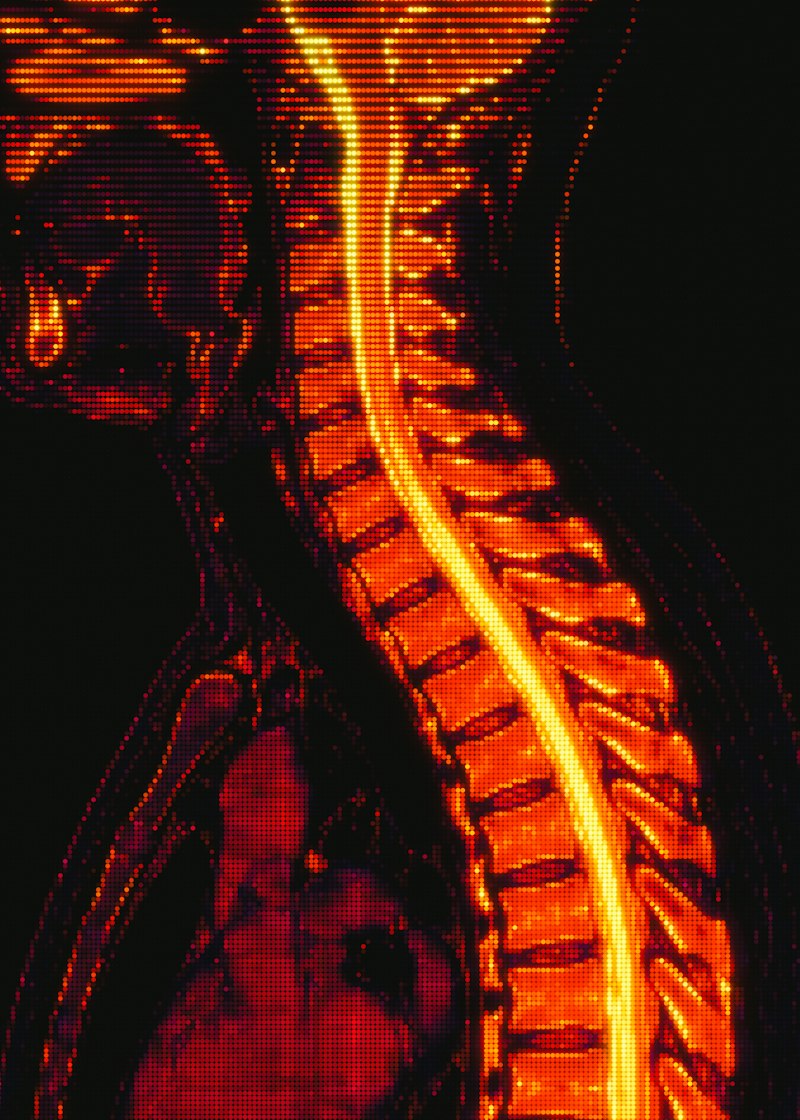
Spondylitis involves age-related degenerative changes in the intervertebral discs, facet joints, and vertebral bodies of the spine. When disc herniation or osteophytes compress exiting spinal nerve roots (radiculopathy) or the spinal cord itself (myelopathy), patients experience shooting pain, tingling, numbness, and motor weakness. Dr. Sahu provides specialized neurological assessment to prevent permanent nerve injury.
Signs & Symptoms to Watch For
Recognizing early warning signs prevents irreversible nerve or brain damage.
Root Causes & Underlying Mechanisms
- Degenerative Disc Disease: Desiccation, loss of disc height, and bulging/herniation
- Facet Joint Arthropathy and ligamentum flavum hypertrophy narrowing the spinal canal
- Sedentary lifestyle, poor ergonomic posture ("text neck"), and prolonged computer use
- Heavy lifting, repetitive mechanical trauma, or spinal trauma
Diagnostic Evaluation & Testing Protocol
Tests and investigations Dr. Chhatrapal uses to confirm the diagnosis.
Detailed Clinical Neurological Motor, Sensory & Reflex Testing: Identifying exact dermatomal root involvement (C5-C8, L4-S1)
Spine MRI (Cervical / Lumbar): High-resolution visualization of disc protrusion, cord compression, and neural foraminal exit
NCS / Needle EMG: Distinguishing true radiculopathy from peripheral nerve entrapments (Carpal Tunnel / Peroneal palsy)
Treatment Details & Procedures
Every patient at our practice receives a customized treatment roadmap designed under the clinical guidance of Dr. Chhatrapal Singh Sahu. Below are the key treatment modalities and procedural therapies utilized:
Neuropathic Pain Pharmacotherapy
Targeted medical modulation using gabapentinoids (Pregabalin/Gabapentin), duloxetine, muscle relaxants, and short courses of anti-inflammatory agents to subdue nerve root inflammation.
Transforaminal Epidural & Facet Block Coordination
Fluoroscopy-guided spinal injections delivering concentrated anti-inflammatory agents directly around the inflamed nerve root to relieve acute intractable pain.
Specialized Core & Cervical Neuro-Physiotherapy
Prescription of isometric neck exercises, McKenzie extension protocols, lumbar core stabilization, and posture retraining under guided supervision.
Surgical Triage for Progressive Deficits
Immediate surgical referral triage if red flags emerge (progressive motor weakness, cauda equina syndrome with bowel/bladder dysfunction, myelopathy).
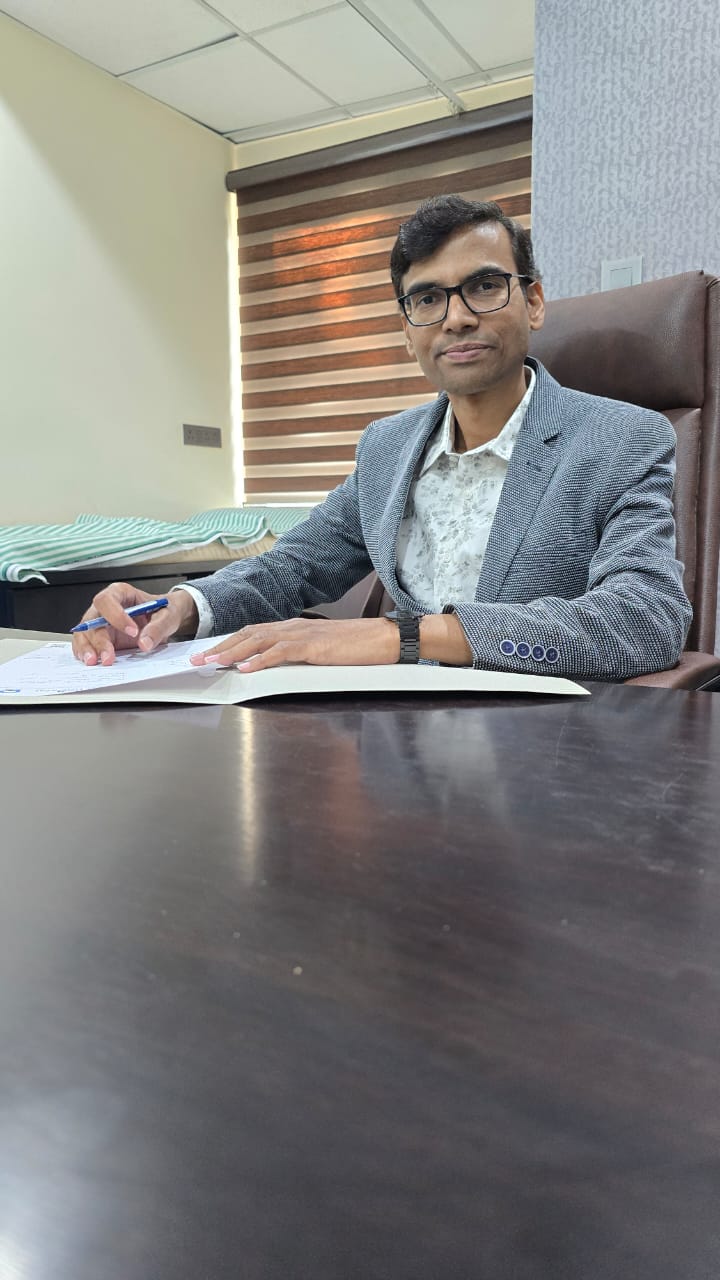
Dr. Chhatrapal Singh Sahu's Approach
MBBS, MD - Medicine, DM - Neurology • Consultant Neurologist
Over 90% of spondylitis and disc herniation cases can be successfully treated without open surgery through precise pharmacological nerve calming and structured rehabilitation. Dr. Sahu ensures patients avoid unnecessary invasive surgeries.
Frequently Asked Patient Questions
Clarifying common concerns regarding diagnosis, treatment safety, and recovery.