Overview & Clinical Background
Multiple Sclerosis (MS) is an autoimmune demyelinating disease of the central nervous system (CNS) in which the immune system mistakenly attacks the protective myelin sheath covering nerve fibers in the brain, spinal cord, and optic nerves. This disrupts neural communication and can result in progressive disability. With modern Disease-Modifying Therapies (DMTs), the disease progression can be halted, enabling patients to maintain complete independence.
Signs & Symptoms to Watch For
Recognizing early warning signs prevents irreversible nerve or brain damage.
Root Causes & Underlying Mechanisms
- Autoimmune T-cell and B-cell mediated inflammatory attacks against myelin basic protein
- Complex interaction of genetic HLA-DRB1 susceptibility and environmental factors (Vitamin D deficiency, EBV infection, smoking)
- Demyelinating mimics: Neuromyelitis Optica Spectrum Disorder (NMOSD with Aquaporin-4 IgG) and MOG antibody-associated disease (MOGAD)
Diagnostic Evaluation & Testing Protocol
Tests and investigations Dr. Chhatrapal uses to confirm the diagnosis.
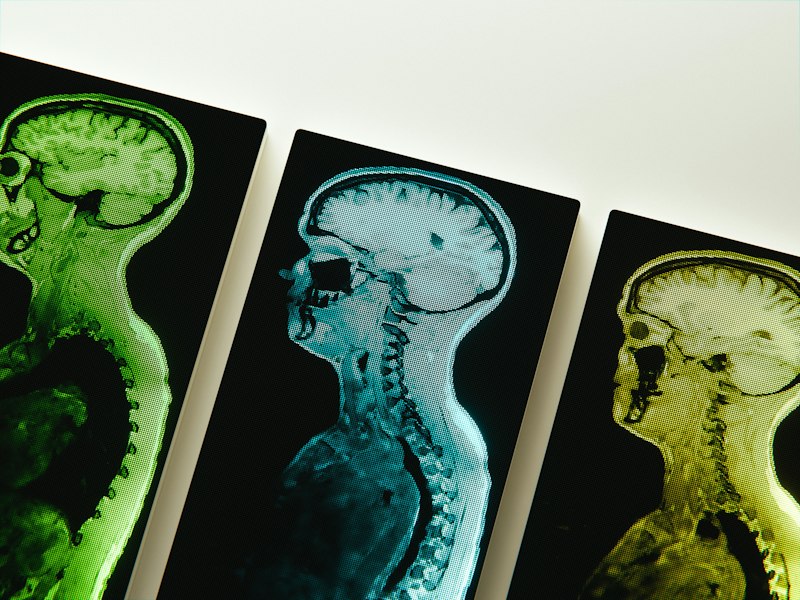
Multiphasic 3-Tesla Brain & Spinal Cord MRI with Gadolinium: Demonstrating dissemination in space (DIS) and dissemination in time (DIT) with periventricular Dawson's fingers, juxtacortical, and infratentorial plaques (2017 McDonald Criteria)
Lumbar Puncture & CSF Analysis: Identifying CSF-specific Oligoclonal Bands (OCBs) and elevated IgG index
Serum AQP4-IgG and MOG-IgG Autoantibody Testing: Crucial for differentiating NMOSD/MOGAD from MS (since NMOSD is worsened by certain MS drugs)
Treatment Details & Procedures
Every patient at our practice receives a customized treatment roadmap designed under the clinical guidance of Dr. Chhatrapal Singh Sahu. Below are the key treatment modalities and procedural therapies utilized:
Acute Relapse Management
High-dose intravenous methylprednisolone (IVMP) pulse therapy (1g daily for 3-5 days) to rapidly quell active CNS inflammation, followed by therapeutic plasma exchange (plasmapheresis) for steroid-refractory relapses.
Long-Term Disease-Modifying Therapy (DMT)
Initiation of modern DMTs selected based on disease activity: Injectable interferons, glatiramer acetate, oral agents (Dimethyl fumarate, Teriflunomide, Fingolimod), or high-efficacy monoclonal antibodies (Ocrelizumab, Rituximab, Natalizumab).
Symptomatic Management & Neuro-Rehabilitation
Pharmacological relief for spasticity (Baclofen, Tizanidine), neuropathic pain (Gabapentinoids), fatigue, bladder dysfunction, combined with physical therapy.

Dr. Chhatrapal Singh Sahu's Approach
MBBS, MD - Medicine, DM - Neurology • Consultant Neurologist
Dr. Chhatrapal Singh Sahu practices early aggressive intervention with modern DMTs to achieve "No Evidence of Disease Activity" (NEDA-3), preventing permanent axonal degeneration and wheelchair dependency.
Frequently Asked Patient Questions
Clarifying common concerns regarding diagnosis, treatment safety, and recovery.