
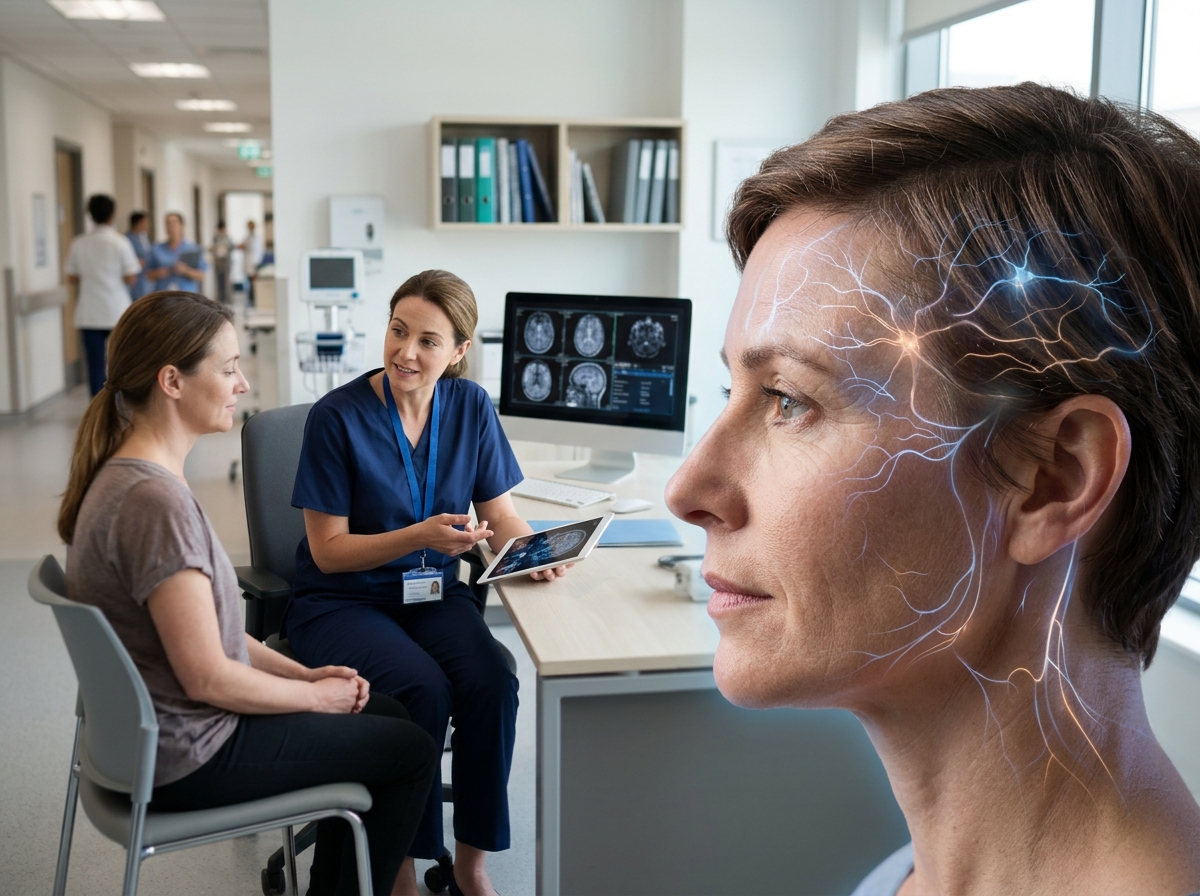
Overview & Clinical Background
Headaches are among the most prevalent neurological conditions, yet chronic migraines and refractory cluster headaches are often misdiagnosed or undertreated. Dr. Chhatrapal Singh Sahu provides a systematic diagnostic classification (ICHD-3 based) to differentiate primary headaches from secondary headaches caused by vascular malformations, elevated intracranial pressure, or cervical spine pathology.
Signs & Symptoms to Watch For
Recognizing early warning signs prevents irreversible nerve or brain damage.
Root Causes & Underlying Mechanisms
- Trigeminovascular system activation with release of CGRP and substance P
- Cortical spreading depression leading to migraine aura
- Genetic predisposition and altered ion channel excitability
- Environmental triggers: sleep deprivation, stress, skipping meals, hormonal fluctuations
- Overuse of acute pain medications leading to Medication Overuse Headache (MOH)
Diagnostic Evaluation & Testing Protocol
Tests and investigations Dr. Chhatrapal uses to confirm the diagnosis.
Comprehensive Neurological Examination: Optic fundus examination to rule out papilledema and raised ICP
Brain MRI / MR Angiography: High-resolution imaging to exclude cerebral aneurysm, vascular malformations, or venous thrombosis
Brain CT Scan: Rapid emergency triage for acute thunderclap headaches
Diagnostic Headache Diary: Identifying cyclical triggers and medication response patterns
Treatment Details & Procedures
Every patient at our practice receives a customized treatment roadmap designed under the clinical guidance of Dr. Chhatrapal Singh Sahu. Below are the key treatment modalities and procedural therapies utilized:
Acute Abortive Therapy
Evidence-based administration of selective 5-HT1B/1D receptor agonists (triptans), gepants (oral CGRP antagonists), ditans, and combination antiemetics initiated at the earliest onset of pain.
Preventive Prophylactic Medication
Tailored daily prophylactic regimens to reduce frequency, duration, and severity using beta-blockers, flunarizine, topiramate, divalproex sodium, or tricyclic antidepressants.
Greater Occipital Nerve (GON) Blocks
In-clinic ultrasound/anatomical landmark guided anesthetic and steroid injections around the greater and lesser occipital nerves for rapid, prolonged relief in status migrainosus and refractory cluster headaches.
Trigger Management & Medication Overuse De-escalation
Structured withdrawal protocol for analgesic dependency, combined with sleep hygiene, stress reduction, and dietary trigger modification.
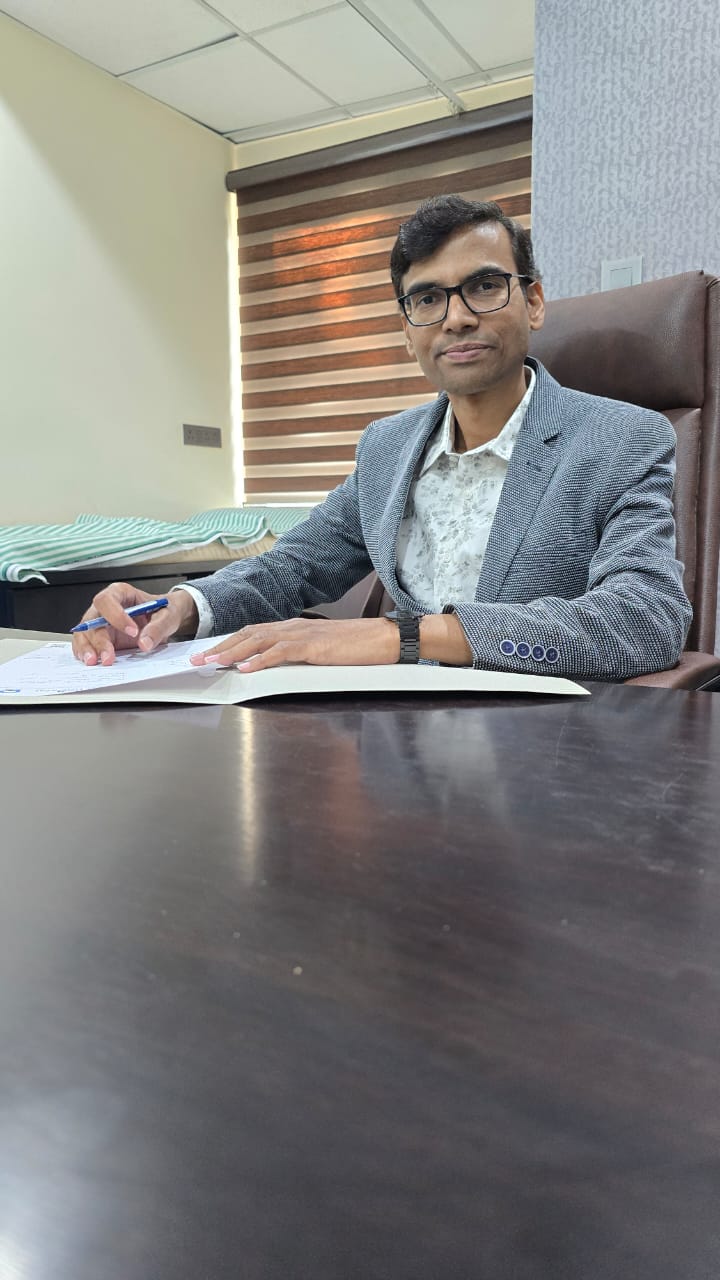
Dr. Chhatrapal Singh Sahu's Approach
MBBS, MD - Medicine, DM - Neurology • Consultant Neurologist
Dr. Chhatrapal Singh Sahu focuses on addressing the biological neuro-inflammatory cascade rather than merely suppressing pain with temporary painkillers. Patients receive a personalized headache action plan with abortive step-down guidelines and regular monitoring.
Frequently Asked Patient Questions
Clarifying common concerns regarding diagnosis, treatment safety, and recovery.